
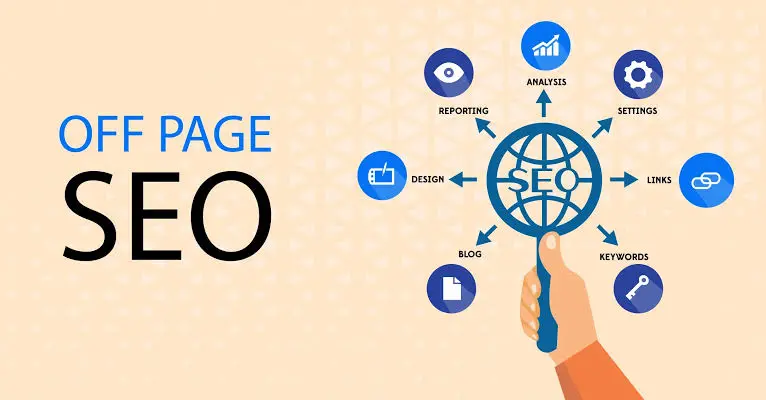
Off-Page Seo
Off-Page Seo: A Complete Guide for Beginners Off-Page SEO is an important part of Search Engine Optimization (SEO). It includes all the activities performed outside your website to improve its authority, reputation, visibility, and search engine rankings. While On-Page SEO focuses on optimizing the content and pages of your website, Off-Page SEO focuses on building trust and popularity around your website. For businesses and bloggers, understanding Off-Page SEO can help increase organic traffic and improve their presence on search engines. What is Off-Page SEO? Off-Page SEO refers to activities performed outside your own website to improve its ranking in search engine results pages (SERPs). One of the most common Off-Page SEO techniques is link building. When another trustworthy website links to your website, search engines may consider it a signal that your content is useful and reliable. However, Off-Page SEO is not limited to backlinks. It can also include brand mentions, social media promotion, online communities, guest posting, and other activities that help build your website’s reputation. Why is Off-Page SEO Important? Off-Page SEO is important because search engines use many signals to understand whether a website is trustworthy and authoritative. Some major benefits include: A good Off-Page SEO strategy should focus on gaining genuine recognition rather than simply creating a large number of links. Important Off-Page SEO Techniques 1. Link Building Link building is one of the most popular Off-Page SEO techniques. It involves getting links from other websites to your own website. For example, if a gardening website publishes an article about indoor plants and naturally links to your plant-related blog, that link can bring visitors to your website and may also contribute to your site’s authority. The quality and relevance of a backlink are generally more important than simply having a large number of backlinks. 2. Guest Posting Guest posting means writing useful content for another relevant website and, where appropriate, receiving a link back to your website. For example, a website about gardening might publish your article titled “Best Indoor Plants for Beginners.” If the website allows a relevant author or resource link, you can use it to introduce readers to your own website. Guest posts should provide genuine value to readers and should not be created only for manipulating search rankings. 3. Social Media Promotion Social media can help increase the visibility of your website content. You can share your blogs, products, guides, and other useful content on platforms where your target audience is active. Social media activity can help people discover your brand and visit your website. Although social signals should not be treated as a simple ranking-factor shortcut, social media can support your overall online presence and content distribution. 4. Local SEO and Business Listings For local businesses, maintaining accurate business information across relevant online directories and platforms can be useful. Important information such as your business name, address, phone number, website, and working hours should be accurate and consistent wherever you publish it. This can help customers discover your business and can strengthen your local online presence. 5. Brand Mentions A brand mention occurs when another website, blog, social platform, or online publication talks about your business or website. Even when a mention does not contain a link, it can help increase awareness of your brand. Creating useful content, providing good services, and building relationships in your industry can naturally lead to more brand mentions. 6. Online Communities Participating in relevant online communities can help you connect with people interested in your topic. Instead of posting links everywhere, answer questions, share useful information, and contribute meaningful discussions. If your website contains a resource that genuinely answers someone’s question, you can share it where appropriate. The main goal should be helping people rather than creating backlinks. Do Backlinks Really Matter? Yes, backlinks can be an important part of SEO, but not every backlink has the same value. A relevant link from a trustworthy website can be much more useful than many low-quality or unrelated links. For example, a backlink from a respected gardening website to an indoor plant article is more contextually useful than a random link from an unrelated website. Therefore, when building backlinks, focus on: White Hat vs Black Hat Off-Page SEO There are different approaches to SEO. White Hat SEO focuses on following search engine guidelines and creating genuine value. Examples include earning backlinks through useful content, digital PR, and legitimate outreach. Black Hat SEO involves manipulative techniques designed to influence search rankings. Such techniques can put a website at risk of search engine penalties or loss of visibility. For long-term SEO success, it is better to use ethical and sustainable techniques. Common Off-Page SEO Mistakes Beginners often make these mistakes: Avoiding these mistakes can help create a safer and more effective SEO strategy. How to Create an Off-Page SEO Strategy You can follow these simple steps: Step 1: Create Valuable Content First, create useful, original, and informative content that people actually want to read and share. Step 2: Find Relevant Websites Look for websites, blogs, directories, communities, and publications that are relevant to your industry. Step 3: Promote Your Content Share your useful content through appropriate social media channels, communities, email outreach, and other legitimate promotional methods. Step 4: Build Relationships Connect with bloggers, businesses, content creators, and people working in your industry. Genuine relationships can create opportunities for collaboration and natural mentions. Step 5: Monitor Your Backlinks Regularly check your website’s backlink profile using SEO tools. Look for unusual or potentially harmful links and keep track of your link-building activities. Conclusion Off-Page SEO is an important part of a successful SEO strategy. It helps a website build authority, reputation, visibility, and trust beyond its own pages. Link building is one of the most important Off-Page SEO activities, but it should not be the only focus. Guest posting, brand mentions, social media promotion, local listings, and useful community participation can also support your overall online presence. The best approach is to focus on quality rather than quantity. Create