ANJALI

Insta Course, SMM

Instagram Course

Instagram Course: A Complete Guide for Beginners Instagram has become an important platform for social media marketing, personal branding, content creation, and business promotion. Businesses, creators, freelancers, and entrepreneurs use Instagram to connect with their audience and showcase their products or services. An Instagram Course helps beginners understand how Instagram works and how to use it effectively for marketing. It can teach learners about Instagram profiles, content creation, Reels, hashtags, audience engagement, analytics, and basic advertising. What is an Instagram Course? An Instagram Course is a learning program designed to teach students how to use Instagram for personal branding, business promotion, and social media marketing. A good course combines basic concepts with practical activities so that learners can understand how to create and manage an effective Instagram presence. Depending on the course, students may learn about Instagram Business Accounts, content planning, Reels, Stories, hashtags, audience research, analytics, and advertising. Why Should You Learn Instagram Marketing? Instagram can help businesses and creators reach people through visual content. Learning Instagram marketing can help you understand how to create content that is relevant to a particular audience. Some benefits of learning Instagram marketing include: For students learning digital marketing, Instagram can also be a useful practical platform for building experience. What Will You Learn in an Instagram Course? A comprehensive Instagram Course can cover several important topics. 1. Introduction to Instagram Marketing The course starts with the basics of Instagram and explains how individuals and businesses can use the platform. Students learn about different types of Instagram accounts and the basic features available for creating and sharing content. 2. Creating a Professional Instagram Profile A professional profile is important for building a strong online presence. Students can learn how to create an appropriate username, profile name, bio, profile picture, and relevant business information. A clear profile helps visitors quickly understand who you are and what you offer. 3. Instagram Content Strategy Content is an important part of Instagram marketing. An Instagram Course can teach students how to plan different types of content, including: The content should be useful, relevant, and suitable for the target audience. 4. Instagram Reels Reels are short-form videos that can help creators and businesses present information in an engaging format. Students can learn how to plan video ideas, create short videos, write captions, and use relevant audio or visual elements while following Instagram’s current features and policies. The focus should be on creating useful and original content rather than simply trying to follow every trend. 5. Instagram Hashtags Hashtags can help categorize content and make it easier to discover in relevant contexts. A course may teach learners how to research hashtags related to their niche and use them naturally. For example, a gardening account might use relevant hashtags related to indoor plants, gardening, and plant care. Hashtags should support the content rather than replacing good content strategy. 6. Instagram Stories Instagram Stories provide a way to share temporary content and interact with followers. Students can learn how to use Stories for: Stories can help businesses maintain regular communication with their audience. 7. Audience Engagement Social media marketing is not only about publishing posts. Engaging with the audience is also important. Students can learn how to respond to comments and messages, understand audience interests, and create content based on common questions and feedback. Building genuine communication can help create a stronger online community. 8. Instagram Insights and Analytics Analytics help marketers understand how their content is performing. Students can learn to review available metrics such as reach, views, interactions, profile activity, and follower-related information. Analyzing these metrics can help identify which content performs well and where improvements are needed. Benefits of Taking an Instagram Course Develop Practical Skills An Instagram Course gives learners an opportunity to practice social media marketing on a real platform. Useful for Digital Marketing Careers Instagram marketing knowledge can be useful for roles such as social media assistant, social media executive, digital marketing intern, and content marketing assistant. Helpful for Businesses Business owners can learn how to present their brand online and communicate with potential customers. Supports Personal Branding Students, freelancers, creators, and professionals can use Instagram to showcase their skills, work, projects, or interests. Who Should Take an Instagram Course? An Instagram Course can be useful for: Basic knowledge of computers, smartphones, and the internet can help beginners get started. How to Choose a Good Instagram Course Before joining an Instagram Course, check whether it includes practical training along with theory. A useful course should cover topics such as: Because Instagram regularly updates its features, it is also useful to choose learning material that is kept current. Conclusion An Instagram Course can help beginners develop practical social media marketing skills. From creating a professional profile and planning content to using Reels, Stories, hashtags, and analytics, learners can understand how Instagram can support a digital marketing strategy. The most effective way to learn Instagram marketing is through regular practice. Create sample content, study your audience, review performance data, and continuously improve your strategy. With consistent learning and practical experience, Instagram can become a valuable skill in your digital marketing journey.
SMM, FB Course

Facebook Course

Facebook Course: A Complete Guide for Beginners Facebook is one of the most popular social media platforms and an important part of digital marketing. Businesses use Facebook to connect with customers, promote their products and services, build brand awareness, and drive traffic to their websites. A Facebook Course helps beginners understand how Facebook works and how businesses can use the platform effectively for marketing. It can be a useful starting point for students, business owners, freelancers, and anyone who wants to learn social media marketing. What is a Facebook Course? A Facebook Course is a learning program that teaches you how to use Facebook for personal branding, business promotion, audience engagement, and digital marketing. Depending on the course, students may learn about Facebook Pages, content creation, Facebook advertising, audience targeting, analytics, and marketing strategies. The course can provide both theoretical knowledge and practical experience so that learners can understand how Facebook marketing works in real-world situations. Why Should You Learn Facebook Marketing? Facebook marketing can help businesses reach their target audience and communicate with potential customers. Learning Facebook marketing can help you: For digital marketing students, Facebook marketing can also be a useful skill to add to their professional portfolio. What Will You Learn in a Facebook Course? A good Facebook Course generally covers several important topics. 1. Introduction to Facebook Marketing The course usually begins with the basics of Facebook and explains how businesses use the platform for marketing. Students learn the difference between personal profiles, Facebook Pages, groups, and other business features. 2. Creating a Facebook Business Page A Facebook Business Page provides a public presence for a business or brand. Students can learn how to set up a page, add business information, choose an appropriate profile and cover image, and create a professional page description. A well-organized page can make it easier for potential customers to understand what a business offers. 3. Facebook Content Strategy Content plays an important role in social media marketing. A Facebook Course can teach students how to plan and create different types of content, such as: The goal is to create content that is useful and relevant to the target audience. 4. Facebook Advertising Facebook advertising is an important topic in digital marketing courses. Students can learn the basics of creating advertising campaigns, selecting campaign objectives, defining audiences, setting budgets, and measuring results. Advertising platforms and features can change over time, so learners should also become familiar with Facebook’s current advertising tools and policies. 5. Audience Targeting Understanding the target audience is essential for effective marketing. A Facebook Course may teach learners how to identify their ideal customers based on factors such as interests, demographics, location, and online behavior, where those targeting options are available. Good audience research helps businesses create more relevant content and marketing campaigns. 6. Facebook Insights and Analytics Facebook provides performance information that can help businesses understand how their content and campaigns are performing. Students can learn how to review metrics such as reach, engagement, views, clicks, and other available performance indicators. Analyzing this information helps marketers understand what type of content is working and where improvements may be needed. Benefits of Taking a Facebook Course Learning Facebook marketing can provide several benefits. Practical Digital Marketing Skill Facebook marketing gives students an opportunity to practice social media marketing using a real platform. Career Opportunities Knowledge of Facebook marketing can be useful for roles such as social media assistant, digital marketing executive, social media manager, and marketing intern. Helpful for Small Businesses Business owners can learn how to promote their products and communicate with customers without depending entirely on traditional marketing methods. Freelancing Opportunities People with practical social media marketing skills may also use those skills when working on suitable freelance projects. Who Should Take a Facebook Course? A Facebook Course can be useful for: You do not necessarily need advanced technical knowledge to begin learning Facebook marketing. Basic computer and internet skills can be enough to get started. How to Choose a Good Facebook Course Before joining a course, check whether it includes both theory and practical work. Look for a course that covers: A course with practical projects can help you build experience and demonstrate your skills. Conclusion A Facebook Course can be a useful way to learn social media marketing and understand how businesses use Facebook to reach their audiences. From creating a professional Facebook Page and planning content to understanding advertising and analytics, these skills can support a career in digital marketing. For beginners, the best way to learn is to combine course lessons with practical experience. Create a sample business page, plan different types of content, study audience engagement, and practice analyzing performance. Consistent practice can help turn basic knowledge into useful digital marketing skills.

On-Page SEO, SEO

On-page seo

On-Page SEO: A Complete Guide for Beginners On-Page SEO is one of the most important parts of Search Engine Optimization. It helps search engines understand the content of a webpage and helps users find useful information easily. Unlike Off-Page SEO, which focuses on activities outside a website, On-Page SEO focuses on optimizing the content and elements present on your own website. If you are learning digital marketing or SEO, understanding On-Page SEO is an essential step toward improving website visibility in search engine results. What is On-Page SEO? On-Page SEO refers to the process of optimizing individual webpages to improve their visibility in search engine results and provide a better experience for visitors. It includes optimizing elements such as: The main goal is to make a webpage useful, understandable, and easy for both search engines and visitors to navigate. Why is On-Page SEO Important? On-Page SEO helps search engines understand what a webpage is about. When a page is properly optimized and provides useful information, it has a better chance of being discovered by people searching for related topics. Some benefits of On-Page SEO include: However, SEO does not guarantee a particular ranking position because search results depend on many factors. Important On-Page SEO Techniques 1. Keyword Research Keyword research is the first step in creating SEO-friendly content. A keyword is a word or phrase that people use when searching for information online. For example, if you have a gardening website, a keyword could be “indoor plants for beginners.” You can use tools such as Google Search, Google Keyword Planner, and SEO tools to find relevant keywords. Choose keywords that are related to your topic and match what your target audience is actually searching for. 2. Optimize the Title Tag The title tag tells search engines and users what a webpage is about. A good SEO title should be: For example: Indoor Plants for Beginners: Easy Plants to Grow at Home This title clearly communicates the topic of the page. 3. Use Proper Headings Headings help organize your content and make it easier to read. The main page heading is usually the H1 heading. Subtopics can be organized using H2 and H3 headings. For example: H1: On-Page SEO: A Complete Guide H2: What is On-Page SEO? H2: Important On-Page SEO Techniques H3: Keyword Research H3: Optimize the Title Tag A well-organized heading structure makes long articles easier to understand. 4. Create High-Quality Content Content is one of the most important elements of On-Page SEO. Your content should answer the user’s question clearly and provide useful information. Avoid copying content from other websites. Good SEO content should be: Instead of using a keyword repeatedly, use it naturally throughout the content. 5. Write a Good Meta Description A meta description is a short summary that can appear below a page title in search results. A good meta description should explain what users can expect from the page and encourage the right audience to visit. For example: Learn what On-Page SEO is and discover important techniques such as keyword research, headings, content optimization, internal linking, and image SEO. Search engines may choose to display a different snippet from the page, so writing a meta description does not guarantee that exact text will appear. 6. Optimize URLs A clean and descriptive URL makes it easier for users to understand the page topic. For example: example.com/on-page-seo-guide is easier to understand than a URL containing unnecessary numbers or random characters. Keep URLs simple, readable, and relevant to the page. 7. Optimize Images Images can make your content more attractive and easier to understand. However, images should also be optimized properly. Some important image SEO practices include: For example, instead of using a file name such as IMG12345.jpg, a descriptive name such as indoor-plants-for-beginners.jpg can provide more context. Alt text should describe the image accurately rather than being filled with keywords. 8. Internal Linking Internal links connect one page of your website to another page on the same website. For example, an article about indoor plants could link to another useful page about how to care for indoor plants. Internal linking can help: Always use links where they are genuinely helpful to the reader. 9. Improve Page Speed and Mobile Experience Website performance is also important for providing a good user experience. A slow website can make it difficult for visitors to access your content. Your webpages should also work properly on mobile phones, tablets, and desktop computers. You can improve performance by optimizing images, reducing unnecessary resources, and using a reliable hosting setup. On-Page SEO vs Off-Page SEO On-Page SEO and Off-Page SEO are different but complementary. On-Page SEO focuses on things you control on your website, such as content, titles, headings, URLs, images, and internal links. Off-Page SEO focuses on activities outside your website, such as earning relevant backlinks, building brand awareness, and promoting your content. A strong SEO strategy can use both approaches together. Common On-Page SEO Mistakes Beginners should avoid these common mistakes: On-Page SEO Checklist Before publishing a webpage, you can use this simple checklist: Conclusion On-Page SEO is an essential part of SEO that focuses on improving the content and elements of your own website. From keyword research and headings to content, images, URLs, and internal links, every element should help users find and understand the information they need. The goal of On-Page SEO should not be to add as many keywords as possible. Instead, focus on creating helpful, well-structured, relevant content that satisfies the user’s search intent. When combined with a good Off-Page SEO strategy and consistent content improvement, On-Page SEO can help build a strong foundation for your website’s long-term search visibility.

Off-Page SEO, SEO

Off-Page Seo

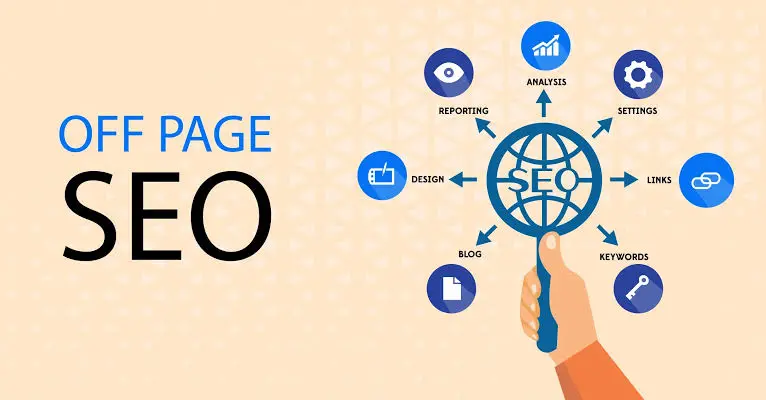
Off-Page Seo: A Complete Guide for Beginners Off-Page SEO is an important part of Search Engine Optimization (SEO). It includes all the activities performed outside your website to improve its authority, reputation, visibility, and search engine rankings. While On-Page SEO focuses on optimizing the content and pages of your website, Off-Page SEO focuses on building trust and popularity around your website. For businesses and bloggers, understanding Off-Page SEO can help increase organic traffic and improve their presence on search engines. What is Off-Page SEO? Off-Page SEO refers to activities performed outside your own website to improve its ranking in search engine results pages (SERPs). One of the most common Off-Page SEO techniques is link building. When another trustworthy website links to your website, search engines may consider it a signal that your content is useful and reliable. However, Off-Page SEO is not limited to backlinks. It can also include brand mentions, social media promotion, online communities, guest posting, and other activities that help build your website’s reputation. Why is Off-Page SEO Important? Off-Page SEO is important because search engines use many signals to understand whether a website is trustworthy and authoritative. Some major benefits include: A good Off-Page SEO strategy should focus on gaining genuine recognition rather than simply creating a large number of links. Important Off-Page SEO Techniques 1. Link Building Link building is one of the most popular Off-Page SEO techniques. It involves getting links from other websites to your own website. For example, if a gardening website publishes an article about indoor plants and naturally links to your plant-related blog, that link can bring visitors to your website and may also contribute to your site’s authority. The quality and relevance of a backlink are generally more important than simply having a large number of backlinks. 2. Guest Posting Guest posting means writing useful content for another relevant website and, where appropriate, receiving a link back to your website. For example, a website about gardening might publish your article titled “Best Indoor Plants for Beginners.” If the website allows a relevant author or resource link, you can use it to introduce readers to your own website. Guest posts should provide genuine value to readers and should not be created only for manipulating search rankings. 3. Social Media Promotion Social media can help increase the visibility of your website content. You can share your blogs, products, guides, and other useful content on platforms where your target audience is active. Social media activity can help people discover your brand and visit your website. Although social signals should not be treated as a simple ranking-factor shortcut, social media can support your overall online presence and content distribution. 4. Local SEO and Business Listings For local businesses, maintaining accurate business information across relevant online directories and platforms can be useful. Important information such as your business name, address, phone number, website, and working hours should be accurate and consistent wherever you publish it. This can help customers discover your business and can strengthen your local online presence. 5. Brand Mentions A brand mention occurs when another website, blog, social platform, or online publication talks about your business or website. Even when a mention does not contain a link, it can help increase awareness of your brand. Creating useful content, providing good services, and building relationships in your industry can naturally lead to more brand mentions. 6. Online Communities Participating in relevant online communities can help you connect with people interested in your topic. Instead of posting links everywhere, answer questions, share useful information, and contribute meaningful discussions. If your website contains a resource that genuinely answers someone’s question, you can share it where appropriate. The main goal should be helping people rather than creating backlinks. Do Backlinks Really Matter? Yes, backlinks can be an important part of SEO, but not every backlink has the same value. A relevant link from a trustworthy website can be much more useful than many low-quality or unrelated links. For example, a backlink from a respected gardening website to an indoor plant article is more contextually useful than a random link from an unrelated website. Therefore, when building backlinks, focus on: White Hat vs Black Hat Off-Page SEO There are different approaches to SEO. White Hat SEO focuses on following search engine guidelines and creating genuine value. Examples include earning backlinks through useful content, digital PR, and legitimate outreach. Black Hat SEO involves manipulative techniques designed to influence search rankings. Such techniques can put a website at risk of search engine penalties or loss of visibility. For long-term SEO success, it is better to use ethical and sustainable techniques. Common Off-Page SEO Mistakes Beginners often make these mistakes: Avoiding these mistakes can help create a safer and more effective SEO strategy. How to Create an Off-Page SEO Strategy You can follow these simple steps: Step 1: Create Valuable Content First, create useful, original, and informative content that people actually want to read and share. Step 2: Find Relevant Websites Look for websites, blogs, directories, communities, and publications that are relevant to your industry. Step 3: Promote Your Content Share your useful content through appropriate social media channels, communities, email outreach, and other legitimate promotional methods. Step 4: Build Relationships Connect with bloggers, businesses, content creators, and people working in your industry. Genuine relationships can create opportunities for collaboration and natural mentions. Step 5: Monitor Your Backlinks Regularly check your website’s backlink profile using SEO tools. Look for unusual or potentially harmful links and keep track of your link-building activities. Conclusion Off-Page SEO is an important part of a successful SEO strategy. It helps a website build authority, reputation, visibility, and trust beyond its own pages. Link building is one of the most important Off-Page SEO activities, but it should not be the only focus. Guest posting, brand mentions, social media promotion, local listings, and useful community participation can also support your overall online presence. The best approach is to focus on quality rather than quantity. Create

Uncategorized

Indoor Plants For Beginners

Introduction Indoor plants help keep the air in your home clean. Everyone loves greenery; if you are a plant enthusiast but lack the time for extensive plant care, yet still want greenery in your home, you can opt for low-maintenance indoor plants. Not only do these plants enhance the beauty of your home, but they also purify the air.If you are new to gardening, indoor plants for beginners are a great way to start your plant journey.These plants are easy to care for, require little maintenance, and can make your home look fresh and beautiful. Choosing the right Indoor Plants For Beginners will keep your home fresh and green without much efforts. 1. Snake Plant Water only when the soil is completely dry .Avoid overwatering because the roots can rot. One of the best Indoor Plants for Beginners. 2. Money Plant / Pothos Keep it near a window with indirect sunlight. Water when the top 1–2 inches of soil feels dry.You can grow it in both soil and water. 3. Spider Plant Give it bright indirect sunlight. Water when the top layer of soil becomes dry. It produces small baby plants that you can easily propagate. 3. Peace Lily It likes bright indirect light. Keep the soil slightly moist but don’t make it soggy. Its white flowers make it beautiful for bedrooms and living rooms. 5. ZZ Plant It can survive in low-light areas. Let the soil dry completely before watering. It’s a great choice if you often forget to water your plants.

Scroll to Top